KES Logo

Projects and experience

Programmable Amplifier Array

Master’s Thesis — X-Fab XH018

For my master’s thesis, I am designing a programmable amplifier array for use in sonar front-end applications, implemented in the X-Fab XH018 (180 nm) CMOS process. The system is built to handle extremely large variations in input signal strength, targeting a 150 dB dynamic range, and includes programmable gain, channel selection, and tunable frequency characteristics.

The project should cover the full IC design cycle — from architecture and schematic design to layout, verification, tape-out preparation, and post-silicon testing. This included noise and linearity optimization, switchable signal paths, biasing networks, and layout techniques for matching and low-noise performance. Hopefully I'll end up with a flexible, high-performance analog front-end suitable for wide-range sonar sensing environments.
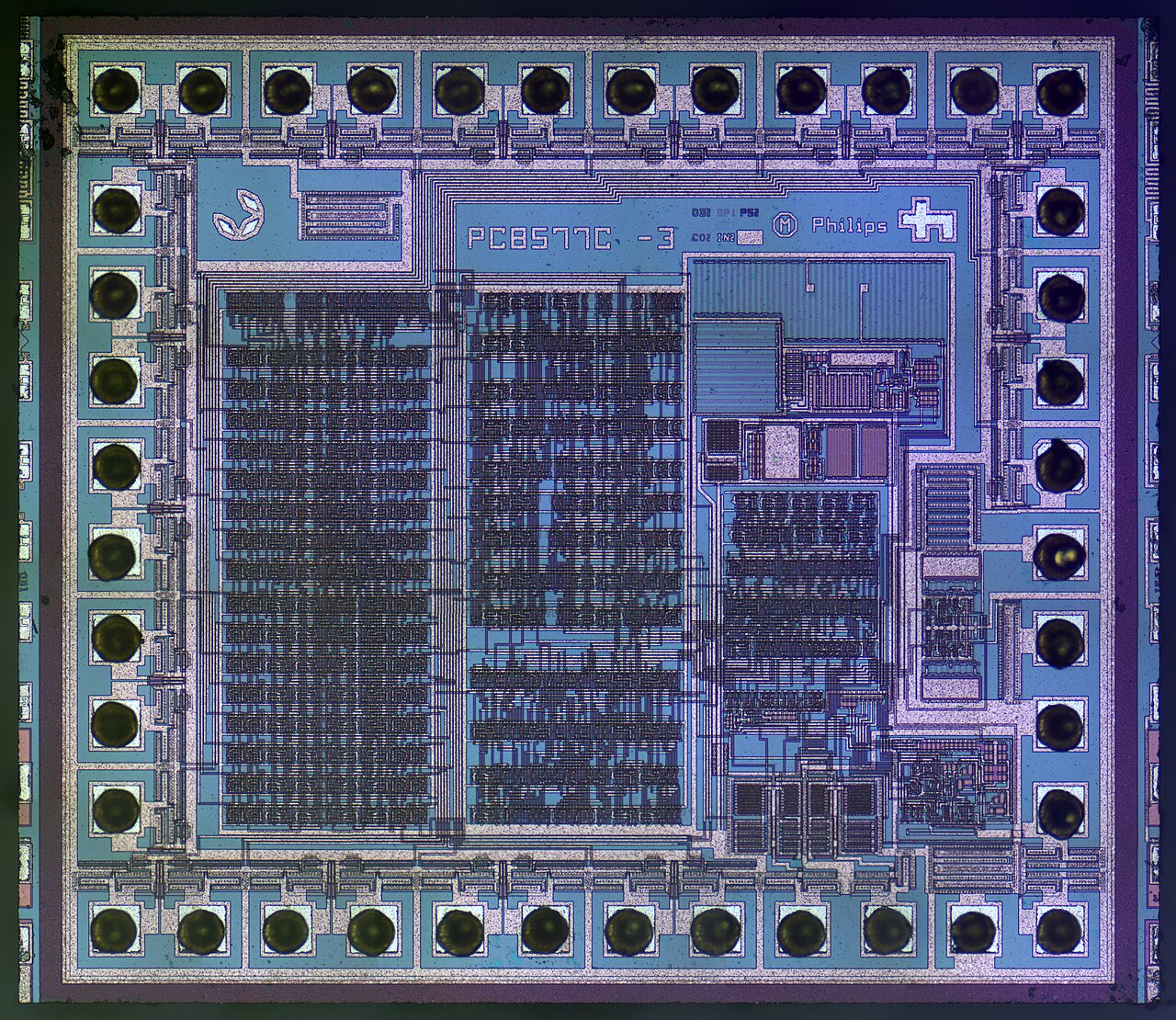
Amplifier Array Layout

Image: borrowed from wikipedia, image will be changed when the thesis is finished

Tiny Tapout VCO

Designer

I’m currently developing a VCO for the Tiny Tapeout shuttle as a way to gain hands‑on experience with mixed‑signal IC design using open‑source tools. The project gives me the opportunity to work through a complete development cycle — from schematic design and simulation to layout, tapeout, and eventually physical testing of my own mixed‑signal circuit.

The design flow is based entirely on open‑source tools, including KLayout, Magic VLSI, Xschem, and ngspice, using the SkyWater 130 nm open‑source PDK. This project is both a learning platform and a practical step toward building more advanced custom ICs in the future.

FPAA board

Image: schematic of a differential inverter

Passive WiFi Radar

Project Member

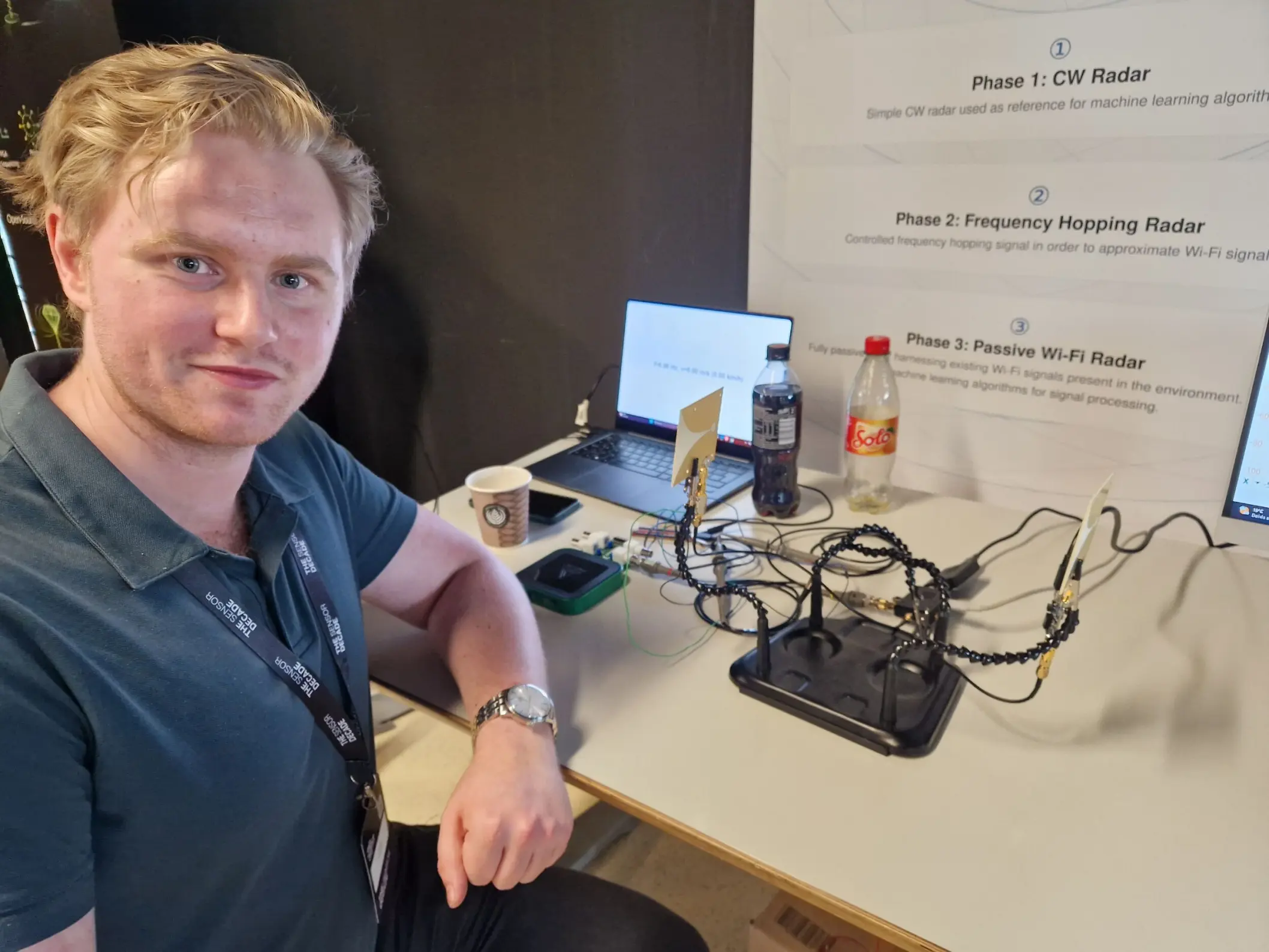
This is a student project to be presented at Sensor Decade 2026. It focuses on developing a passive radar system using existing WiFi signals as the source signal. By exploiting reflections from WiFi transmissions already present in the environment, the system can perform presence detection and motion tracking without emitting any signals of its own.

Passive WiFi Radar

Image: Concept of the radar

Lyra

Founding Member & Communication Systems Technical Lead

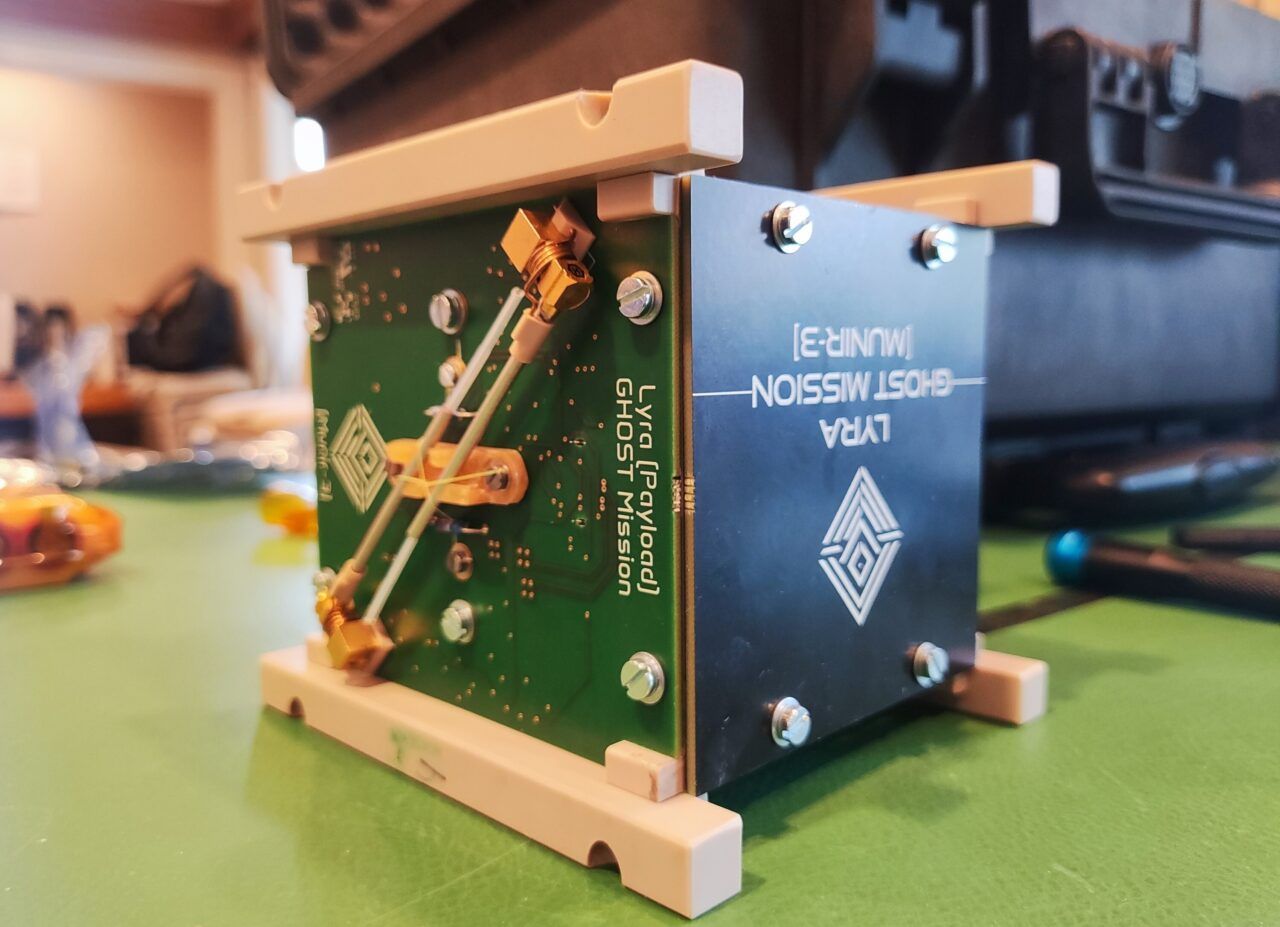
As a founding member of Lyra, I served as the Communication Systems Technical Lead for a student‑built CubeSat developed under a NASA‑supported initiative. I led the design and development of the satellite’s 433 MHz communication system, including a custom transceiver and integrated antenna solution. My role involved coordinating hardware and firmware development, guiding system‑level decisions, and ensuring reliable communication performance from early design through testing and integration.

We started the association in early 2024, and the satellite was successfully launched in November 2025, marking Lyra’s first operational space mission.

Lyra Cubesat Project

Image: The completed CubeSat

Lyra Communication system

Technical Lead

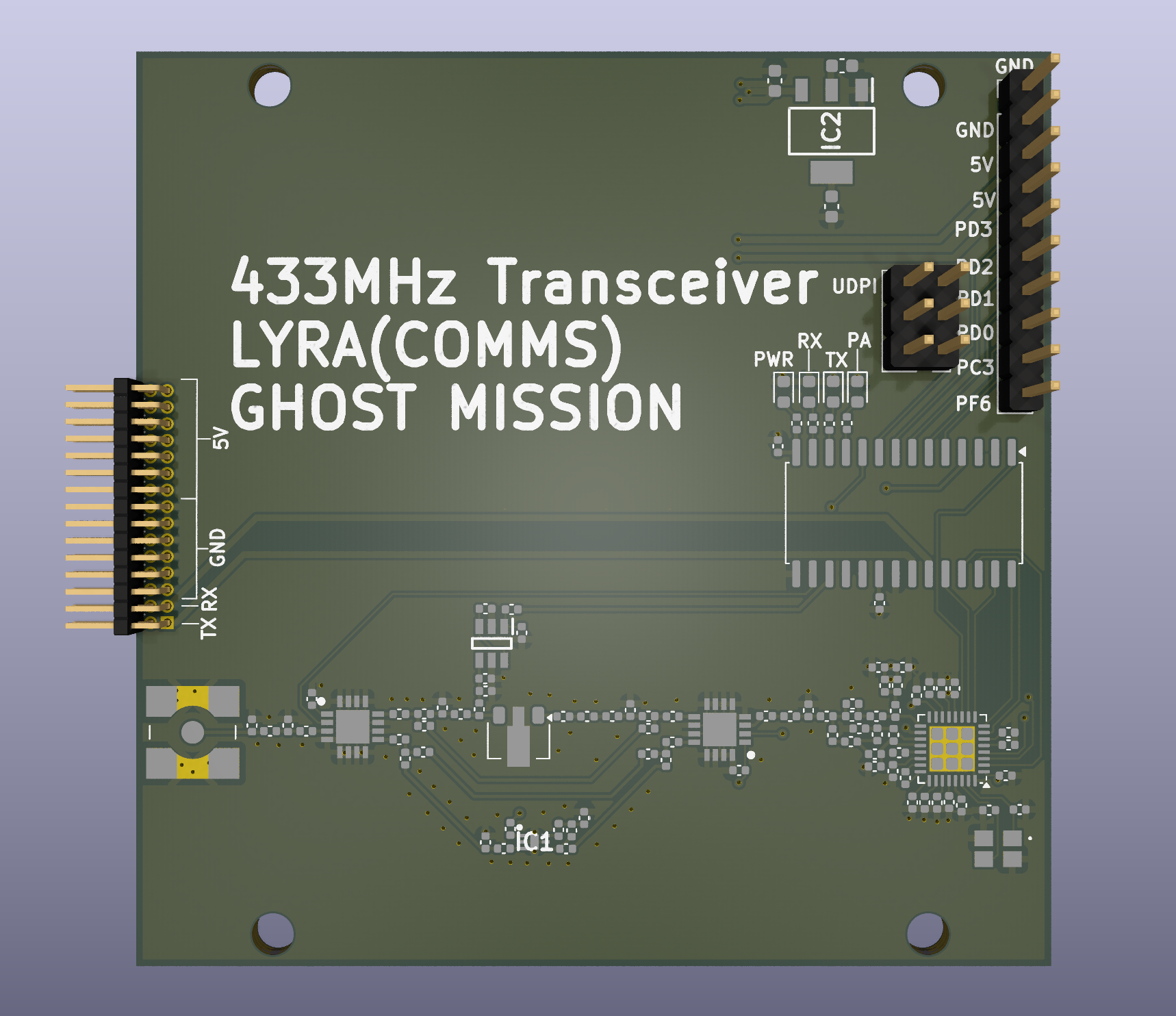
For the communication subsystem, we designed a custom 433 MHz transceiver built around the TI CC1200 low‑power RF chip, paired with an AVR microcontroller for configuration, control, and telemetry handling. The PCB shown is our custom transceiver module, which served both as the on‑board transmitter in the satellite and as the ground‑station receiver.

The design required RF layout, impedance‑controlled routing, and close collaboration between hardware and firmware teams. The result was a compact 433 MHz communication system made for CubeSat operation and capable of supporting the mission’s full communication link.

Description

Image: The transceiver pcb

FPAA dev board

Design and test engineer

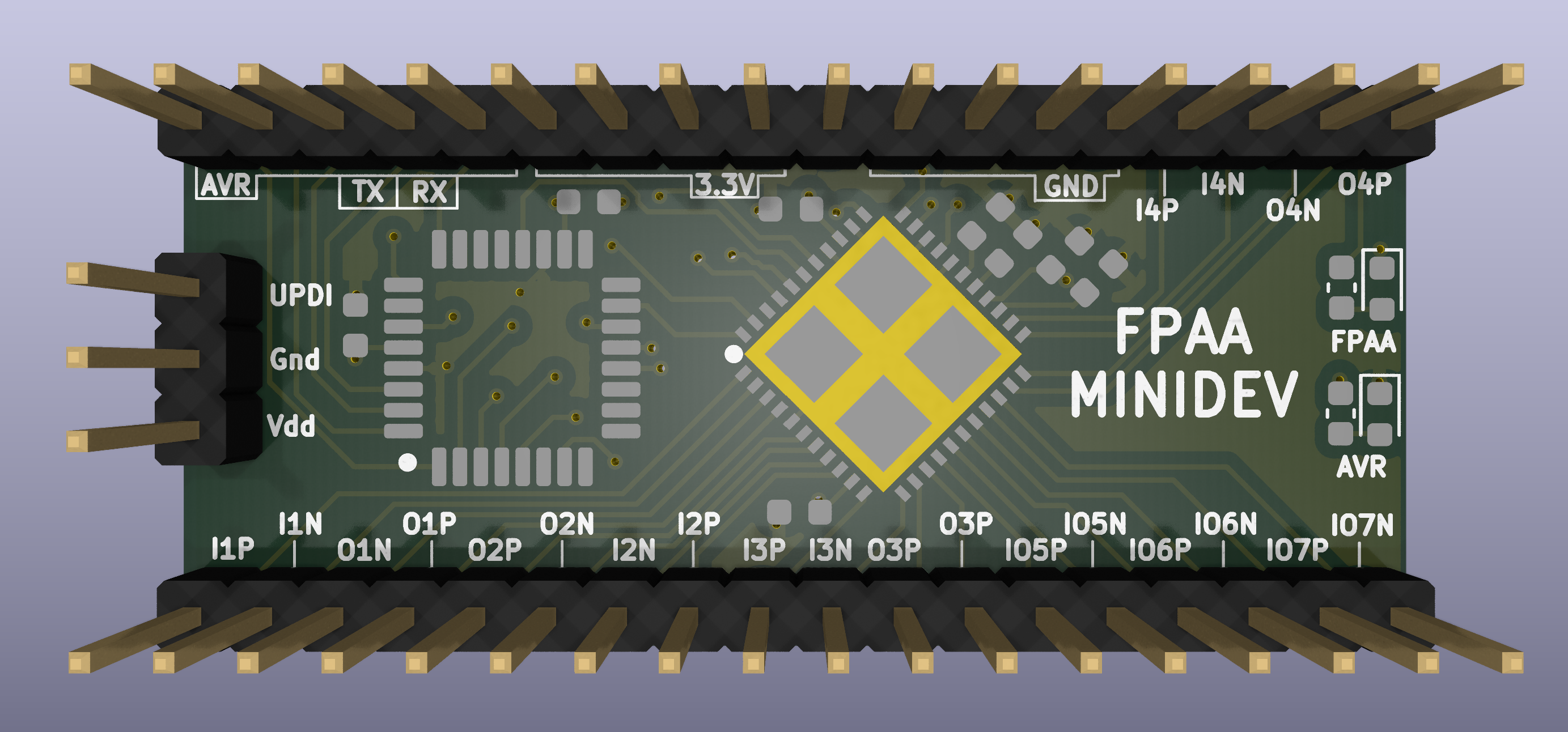
As part of the early exploration for my master’s thesis, I designed and tested a compact development board for the Okika AN231 Field‑Programmable Analog Array (FPAA). The goal was to prototype a configurable analog front‑end for sonar systems, using the FPAA to rapidly evaluate different signal‑conditioning architectures.

The FPAA ultimately did not meet the performance requirements for my final thesis design, but the work directly inspired the custom IC approach I ended up with.

FPAA board

Image: FPAA dev board pcb

ESA CubeSat Summer School

Student

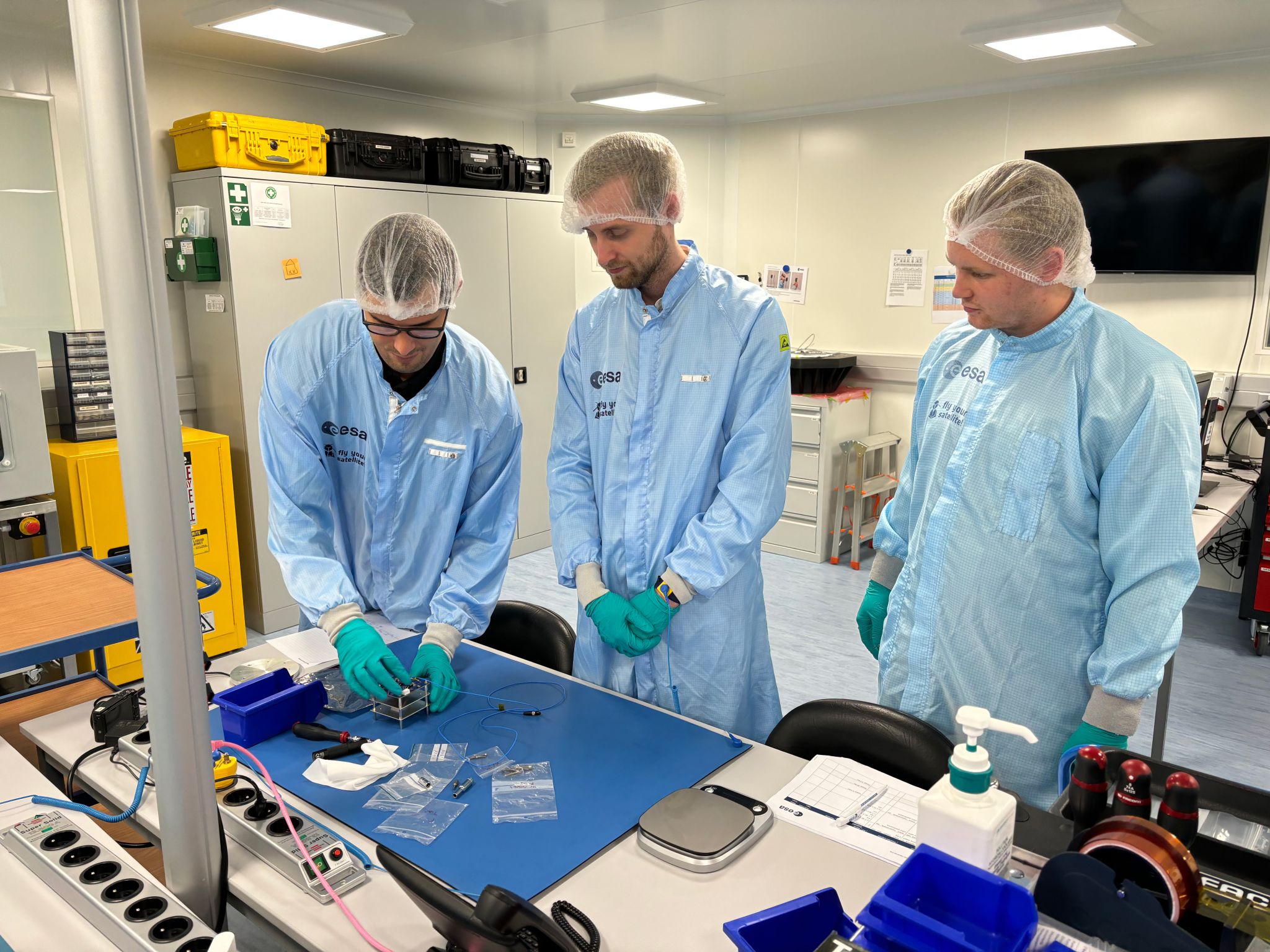
This was a 4‑week intensive program featuring hands‑on projects and laboratory sessions led by ESA engineers and university professors. Students from across Europe collaborated throughout the course. The program covered:

  • Week 1: Space Systems Engineering and hands-on practice
  • Week 2: Model‑Based Systems Engineering
  • Week 3: Assembly, Integration, and Testing (AIT) techniques for space systems
  • Week 4: Launch and Operations

I have continued working with several participants from the program on a conference paper for the International Astronautical Congress (IAC) and a publication for Acta Astronautica.

Description

Image: Taken in ESA cleanroom

L1 Opictal Lensing(LOL)

Co-author and payload engineer

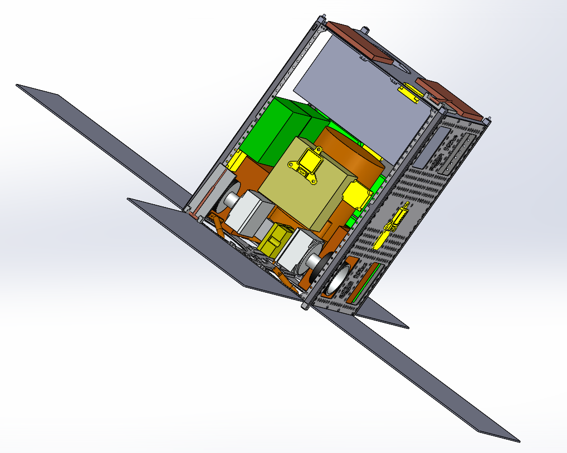
LOL started as an exercise in conurrent engineering during the ESA CubeSat Summer School course, but has evolved further into a paper presented at IAC and an article under review for publication in Actra Astronautica. We are currently also applying for an ESA stipend to realise the project.

From the abstract: "The terrascope concept uses Earth’s atmosphere as a lens to amplify light from distant astronomical bodies along a focal line extending to Lagrange 1. If successfully implemented, a terrascope could revolutionise deep space observation by enabling large-scale and high-resolution exoplanet spectroscopy and, potentially, the discovery of new exoplanets. On these premises, the ’L1 Optical Lensing (LOL)’ mission aims to realise the amplification and resolution of the terrascope concept by using a satellite placed at a Hill radius distance from Earth, serving as a scientific demonstrator."

LOL

Image: 3d model of the proposed satellite

Oslostudentenes Radioklubb

Licenced Radio Amateur and board member

Since its resurgence in 2021, I have been an active member of the Oslo Student Radio Club, an amateur‑radio organization with a strong technical focus. The club provides a space for students to explore RF engineering, build their own projects, and experiment with communication systems.

During this time, I also obtained my personal amateur‑radio licence, which has been invaluable in several of my engineering projects. It has given me access to additional frequency bands and transmission modes that were essential for work such as the CubeSat communication system and my Wi‑Fi radar experiments.

LOL

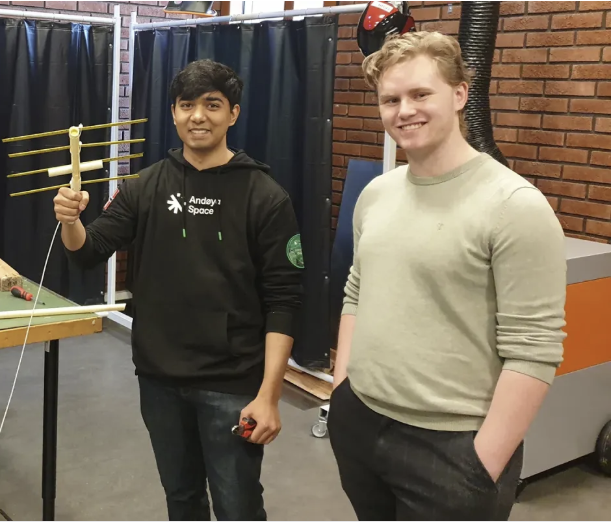
Image: Image taken from NRRL's website